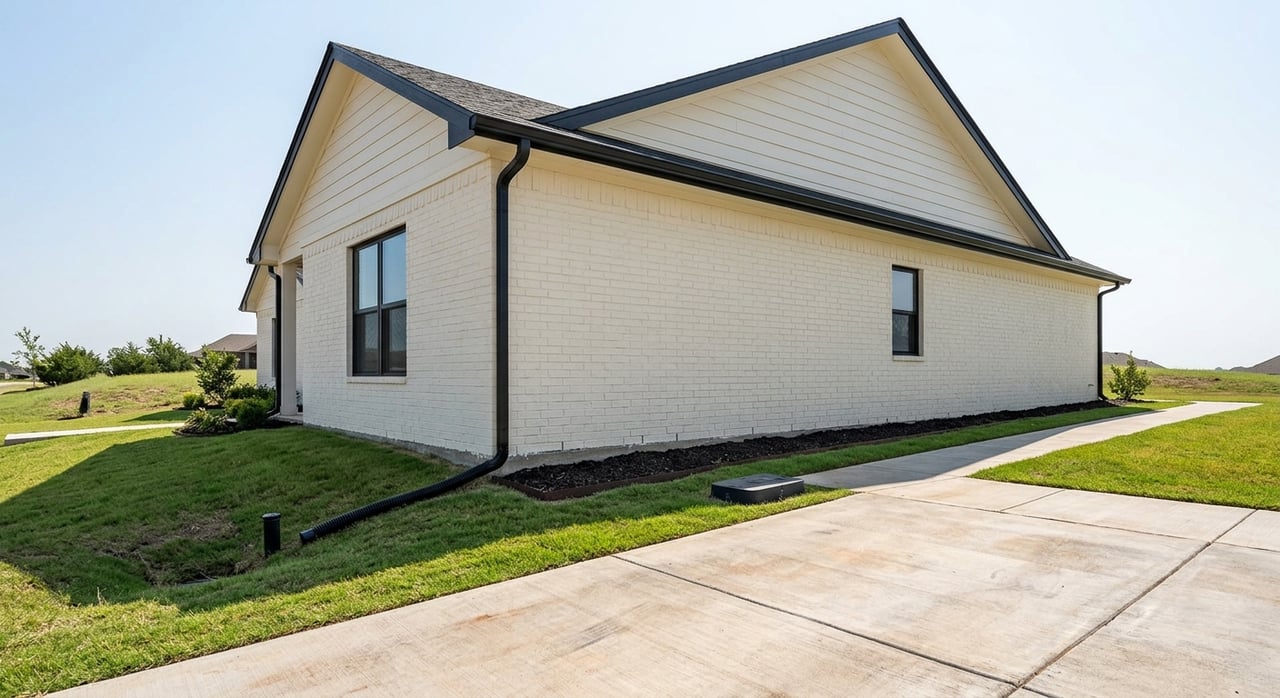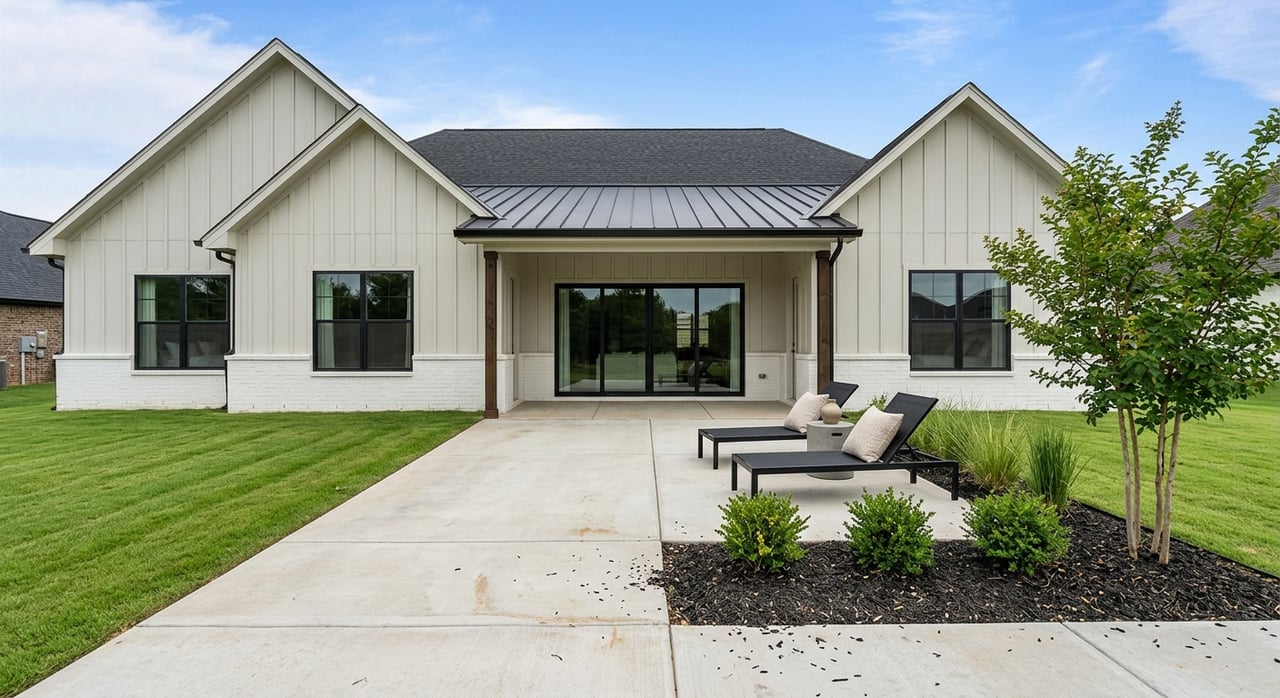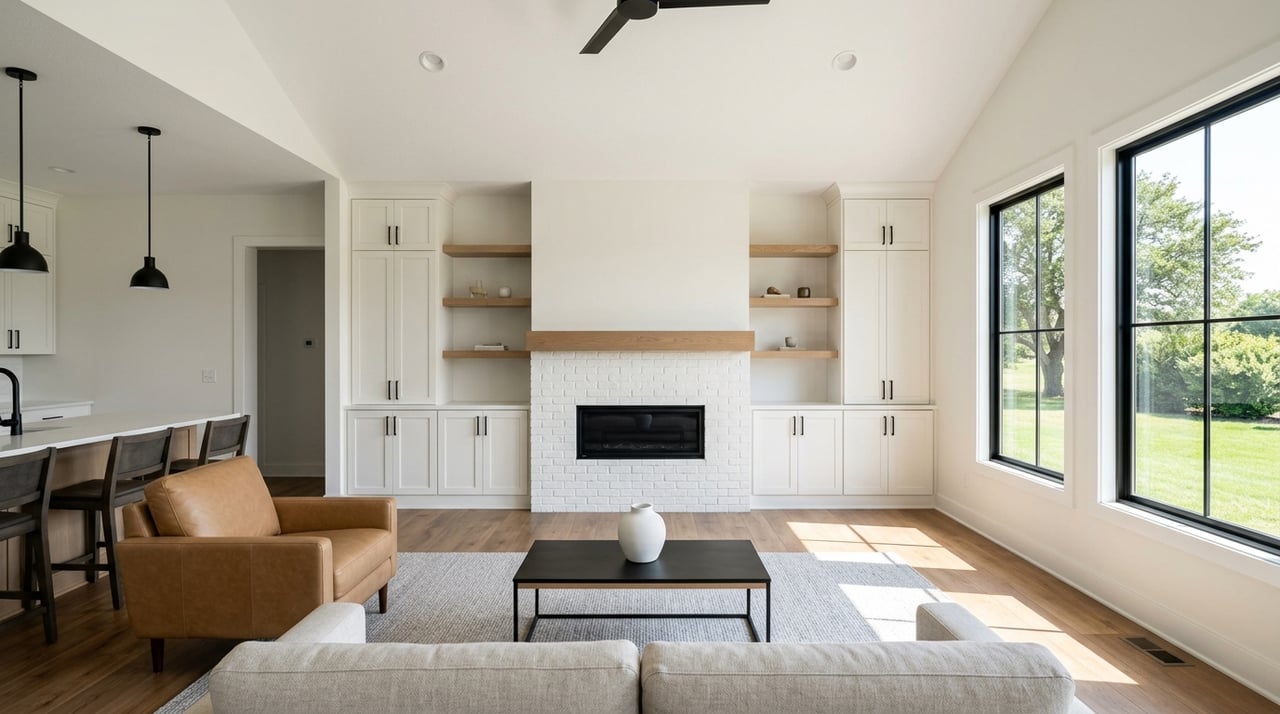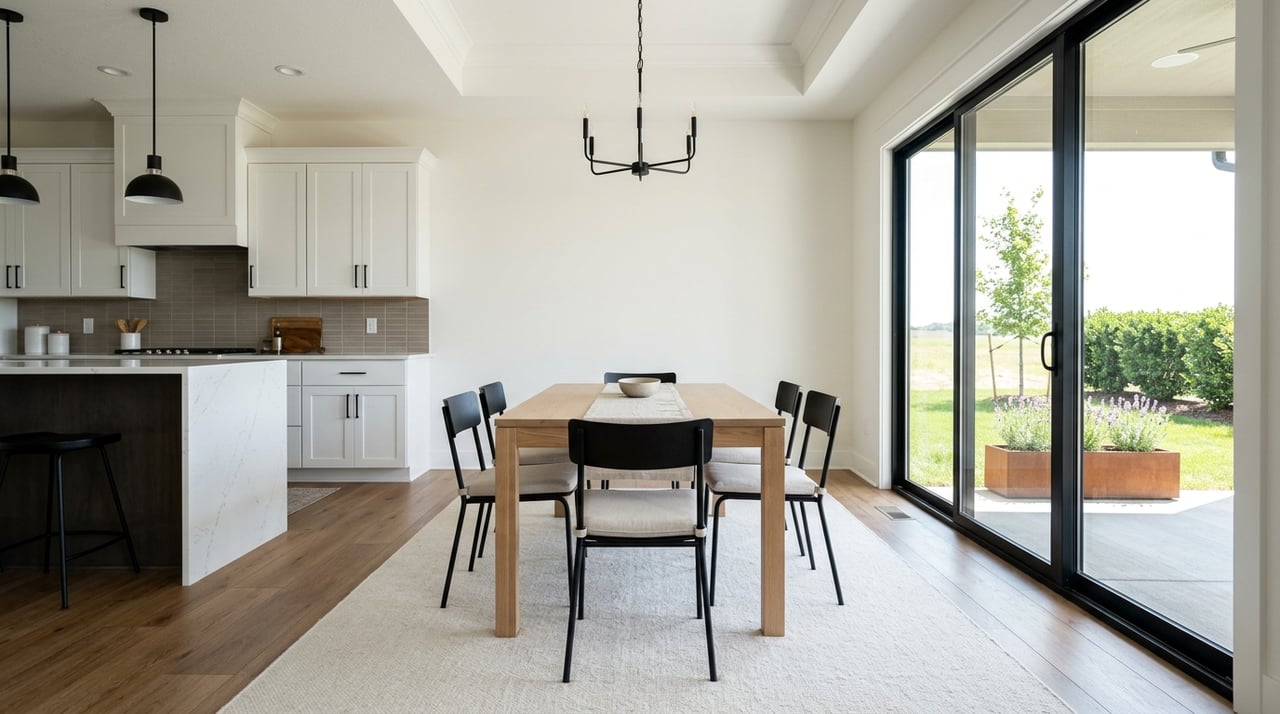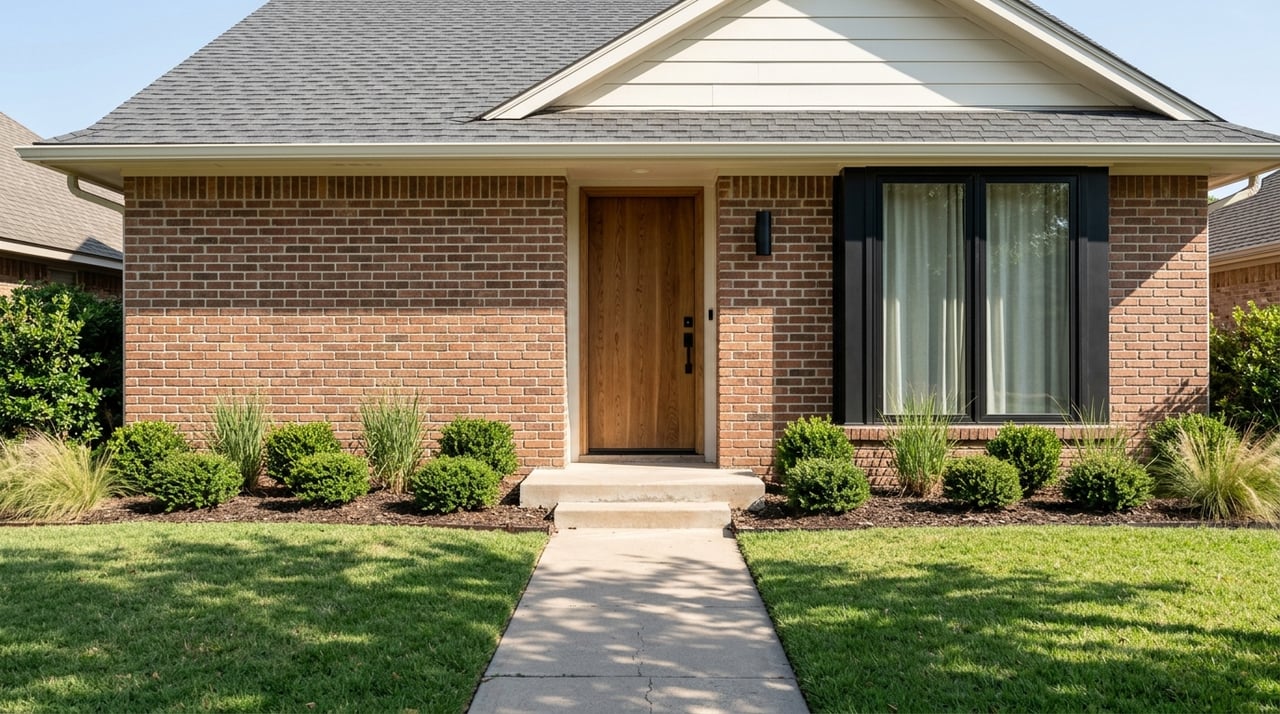
If you are deciding between a brand-new home and an existing one in Broken Arrow, you are not alone. It is a smart question, especially in a city where new housing is still being added while many established subdivisions date back decades. The right choice depends on your budget, timeline, and how much customization you want. Let’s dive in.
Broken Arrow offers both paths
Broken Arrow gives you a real mix of options. The city reported more than 900 new housing unit permits in 2024 and said it was on pace for more than 600 in 2025, with annual growth near 2 percent, according to city updates on housing activity.
At the same time, Broken Arrow also has a large base of older housing. The city’s housing study noted that about one-third of Broken Arrow subdivisions were developed before 1985, which means the resale market includes many established neighborhoods along with newer communities, based on the Broken Arrow housing study summary.
That matters because your decision is not only about home age. In Broken Arrow, it is often also about whether you want to be in a growth area with newer development or in a more established part of the city with mature lots and existing homes.
New construction: what you gain
For many buyers, new construction is attractive because it feels simpler at the start. You are usually getting a modern layout, newer materials, and fewer immediate repair concerns. The National Association of Realtors notes that new homes often offer updated floor plans, lower maintenance early on, more energy-efficient features, builder warranties, and more personalization during the build process, according to its new versus existing home comparison.
If energy performance matters to you, newer homes may have an edge. ENERGY STAR-certified new homes are at least 10 percent more energy efficient than minimum-code homes, and ENERGY STAR says those features can lower utility and maintenance costs while improving comfort and durability.
In Broken Arrow, new construction also lines up with where the city is growing. South Broken Arrow is a major focus, with the city highlighting future retail, commercial, and residential development at New Orleans Square and infrastructure like a new water tower near New Orleans Street and Lynn Lane to support residential growth.
Why buyers choose new homes
You may prefer new construction if you want:
- A more modern floor plan
- Fewer repairs in the first few years
- Better energy efficiency
- Builder warranties
- Some ability to choose finishes or features
- A home in a newer growth corridor
For buyers who want a more guided build process, this is where local expertise can make a difference. Comparing builders, timelines, finish options, and permit status takes more than a quick online search.
New construction: what to watch
A new home is not always the cheaper or faster option. NAR notes that new construction often comes with a higher upfront cost, possible lot premiums, upgrade expenses, longer timelines, and financing that may be more complex than a standard resale purchase, based on its consumer guide to building a new home.
If you are building from the ground up, timing is especially important. NAR says the design phase often takes three to six months, and construction commonly lasts at least 12 to 16 months, with delays possible. If you need a shorter timeline, a spec home or stock plan may offer a middle ground.
Financing can also look different. Construction loans are usually short-term, may involve interest-only payments during construction, and can come with added underwriting requirements. The Consumer Financial Protection Bureau also notes that builders may request earnest money deposits, but you can still shop around for your lender.
Broken Arrow due diligence for new builds
In Broken Arrow, permits are required for structures being built in the city, and inspections happen through each phase before a certificate of occupancy is issued, according to the city’s permitting and licensing information.
If you are buying a new build, ask clear questions about:
- Permit status
- Inspection milestones
- Estimated completion date
- Which finishes are still available to select
- What the builder warranty covers
- Whether pricing includes lot premiums or upgrades
These details can have a real impact on your budget and move-in plan.
Resale homes: what you gain
Resale homes can be a strong option if you want a faster move, a lower entry price, or a more established setting. NAR highlights several common resale advantages, including lower-priced options, mature landscaping, established neighborhoods, move-in readiness, and the opportunity to add value through updates, as explained in its new versus existing home guide.
In Broken Arrow, that established feel is a real part of the market. Since a substantial share of the city’s housing stock is older, resale buyers may find more variety in lot sizes, street patterns, and home styles, based on the city housing study summary.
Resale can also be the better fit if your timeline is tight. Unlike a custom build, an existing home is often ready for move-in after inspections, financing, and closing.
Why buyers choose resale homes
You may prefer a resale home if you want:
- A faster move-in timeline
- More established surroundings
- Mature landscaping
- Potentially lower upfront pricing
- The ability to update over time
- More choices in older parts of Broken Arrow
For some buyers, resale also creates room for personalization in stages. You can move in first, then make changes as your budget and priorities allow.
Resale homes: what to watch
The tradeoffs with resale are usually predictable, but they still matter. NAR says existing homes may come with older floor plans, more maintenance, less efficient systems, and fewer personalization options than a new build.
In Broken Arrow, that is especially important because older housing can mean deferred maintenance or outdated systems. The city’s housing study suggests resale buyers should be ready to budget for repairs, system updates, and cosmetic modernization in some homes.
A professional inspection is one of the most important steps in a resale purchase. The CFPB recommends scheduling an independent home inspection as soon as possible, attending the inspection if you can, and using the inspection contingency to negotiate repairs or walk away if your contract allows, according to its home inspection guidance.
How to compare total cost
The best way to compare new construction and resale is to look beyond the list price. Your real cost is the all-in cost over the first few years.
For new construction, that may include:
- Base price
- Lot premiums
- Upgrade packages
- Builder deposits
- Construction-loan costs, if applicable
- Carrying costs if your move is delayed
For resale, that may include:
- Inspection-related repairs
- Immediate maintenance reserves
- Insurance review
- Cosmetic updates
- System replacements over time
A resale home may look cheaper at first, but a new home may reduce early maintenance and utility costs. On the other hand, a new build with upgrades and financing complexity can cost more than buyers expect. That is why side-by-side comparison matters.
How to compare timeline
If speed is your top priority, resale usually has the advantage. You can often close and move in on a much shorter schedule than a custom or semi-custom new build.
If you want control over design and can wait, new construction may be worth the longer process. NAR’s guidance makes that difference clear: resale is typically move-in ready, while custom construction often takes many months from planning to completion.
A spec home can land somewhere in between. If the home is early enough in construction, you may still get to choose items like flooring, countertops, tile, cabinets, lighting, or vanities.
How location shapes the choice
In Broken Arrow, location can influence your decision just as much as the house itself. The city’s growth patterns suggest that south Broken Arrow is likely to continue evolving, especially around areas tied to New Orleans Square and related infrastructure planning.
That does not automatically make one area better than another. It simply means you should compare neighborhood-specific pricing, future development context, and the kind of setting you want day to day. Some buyers want the feel of a newer development path, while others prefer the character and stability of an established subdivision.
What the market suggests right now
Public market trackers use different methods, but they generally place Broken Arrow home values and sale prices in the mid-$200,000s to mid-$300,000s. Zillow reported an average home value of $286,846 and a median sale price of $275,333, while Redfin reported a median sale price of $304,000 and Realtor.com reported a median home sale price of $347,900, according to the Zillow Broken Arrow market page and Realtor.com market overview.
Days on market also vary by source, with Zillow showing about 34 days to pending and Redfin and Realtor.com both showing about 53 days. Realtor.com described Broken Arrow as a seller’s market in February 2026, which means well-positioned homes may still move quickly.
For you as a buyer, that means preparation matters no matter which path you take. On a resale, you may need to move quickly when the right property appears. On a new build, you need to evaluate builder terms, pricing, and timeline before committing.
Which option fits you best?
New construction may be the better fit if you want a more modern layout, lower early maintenance, better energy performance, and a more hands-on role in design decisions. It also makes sense if you are open to a longer timeline and want to explore Broken Arrow’s growth areas.
Resale may be the better fit if you want to move sooner, keep upfront costs lower, or buy in a more established part of Broken Arrow. It can also be a strong choice if you are comfortable planning updates over time.
The best answer is not universal. It depends on how you want to balance time, control, cost, and future maintenance.
If you want help comparing a build opportunity with a resale option in Broken Arrow, Brandi True can help you sort through timelines, builder terms, finish decisions, inspections, and neighborhood-level strategy so you can move forward with more clarity.
FAQs
Is new construction or resale usually cheaper in Broken Arrow?
- It depends on the all-in cost. New construction can come with higher upfront pricing, lot premiums, upgrades, and financing complexity, while resale may require repairs, updates, and maintenance reserves.
Is a resale home faster to buy in Broken Arrow?
- Yes. A resale home is usually the faster path because it is often move-in ready, while custom new construction can take 12 to 16 months or longer.
Do new construction homes in Broken Arrow offer customization?
- Yes, but the amount depends on the stage of construction. Custom builds offer the most control, while spec homes may allow only certain finish selections if the home is still early in the process.
What is the biggest risk with a resale home in Broken Arrow?
- The biggest risk is repair surprises. An independent home inspection can help uncover issues with systems, structure, or deferred maintenance before closing.
Why is local guidance helpful when choosing between new construction and resale in Broken Arrow?
- Local guidance helps you compare neighborhood-level pricing, builder incentives, permit and inspection status, contract terms, and the practical tradeoffs between newer growth areas and established neighborhoods.